
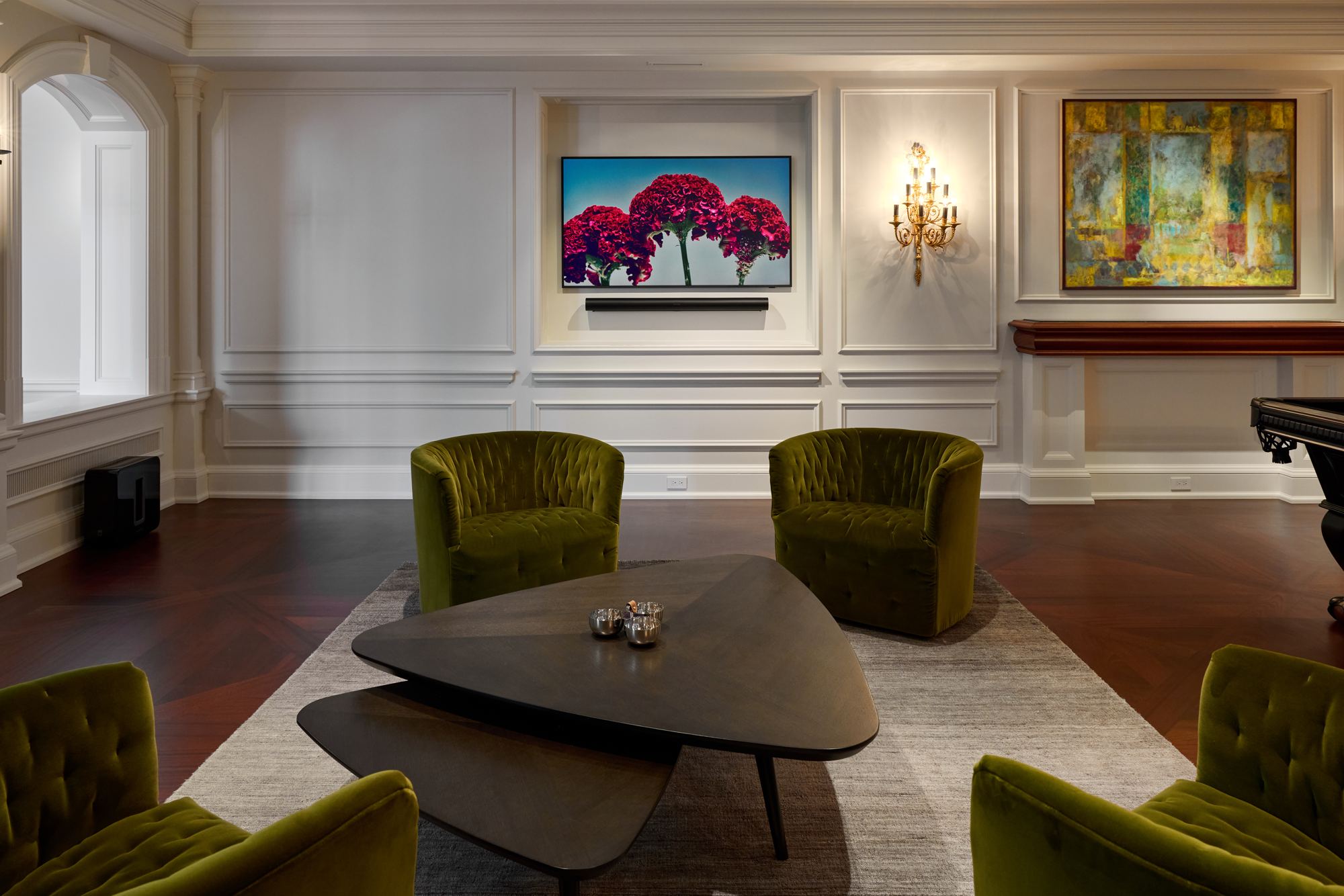
Guide: ambient lighting
How to create a beautiful atmosphere at home with light
You don't need to be a designer to light your home well. A few simple ideas are enough to turn a room that's merely lit into a room you want to linger in.
At Adom, there's one line we like to repeat: "Beautiful light goes unnoticed. You feel it." This whole guide comes down to that idea: you don't notice the light, you notice that you feel good. A dinner that lingers, a conversation that goes on, a movie you watch fully relaxed: often it's the light that makes the difference, even if nobody mentions it.
Here are the principles we apply in the homes we work on. Most of them work with simple lamps, too. Smart lighting just makes them easier to live with every day.
1. Several light sources instead of one ceiling fixture
A single fixture in the middle of the ceiling is the number one enemy of atmosphere. It lights everything the same way, from above, and flattens the room. Faces look tired, materials lose their texture, the space feels smaller.
The idea is simple: spread the light around the room. A lamp on a side table, soft light washing along a wall or a bookcase, light over the kitchen island, a piece of art lit on its own. Each source has a different job, and together they create depth. Think of it as a conversation between several soft voices rather than one loud one.
- General light, soft, so you can move around comfortably.
- Light for doing things: cooking, reading, getting ready.
- Light for the eye: a painting, a stone wall, a plant, a piece of furniture you love.
2. In the evening, warmer and lower light
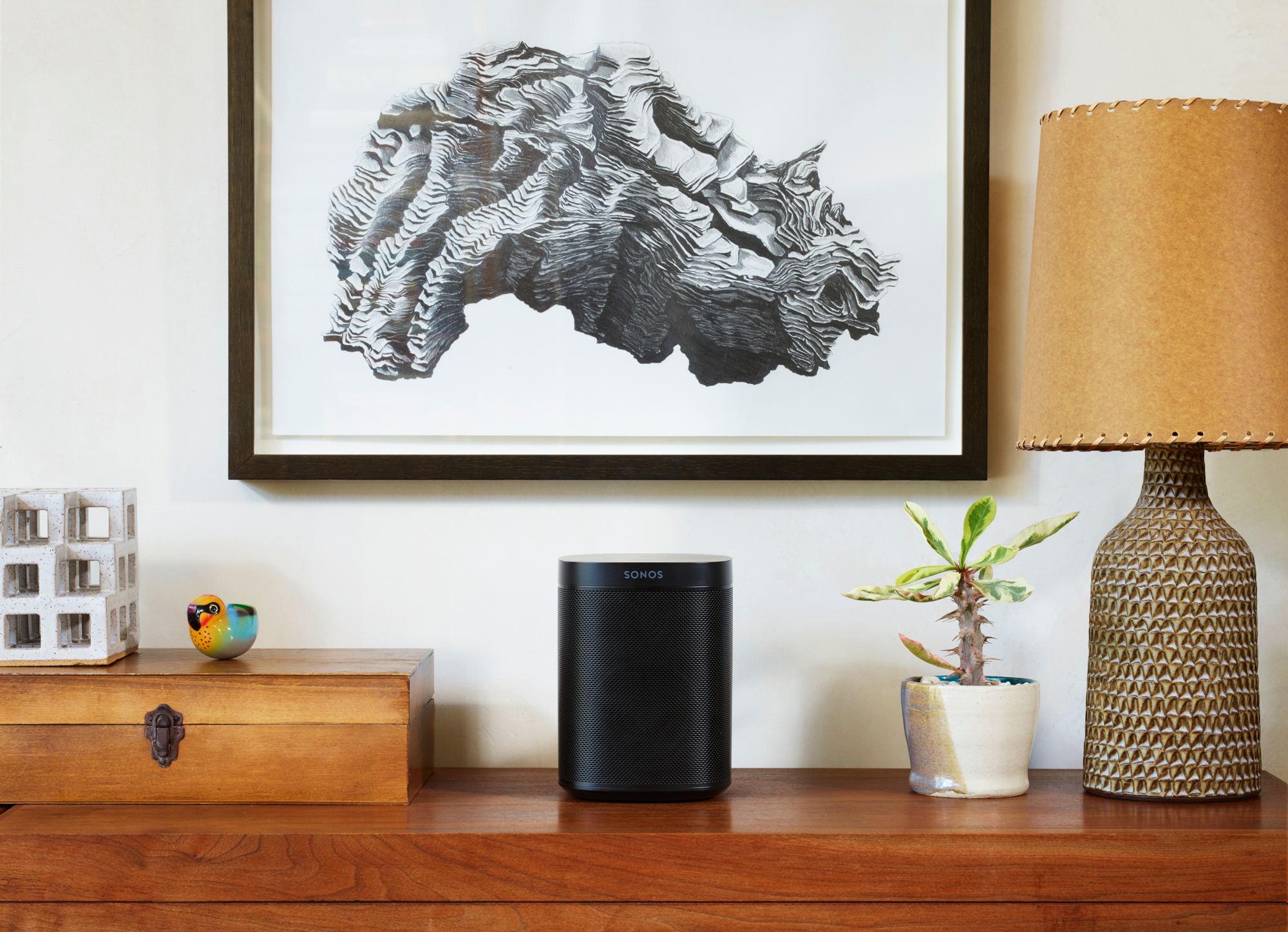
During the day, we like clear light, close to daylight. In the evening, our bodies expect something else: warmer, more golden light, closer to the floor, like a fire or a sunset. A kitchen lit in cool white at 9 p.m. feels like you're still at the office.
Two simple habits help a lot: choose warm bulbs for evening rooms, and favor lamps and low light once night falls. Lutron's Ketra fixtures go further: their light follows the day on its own, bright in the morning, warm and soft in the evening.
3. Dimming changes everything
If you remember only one tip, make it this one: be able to dim your lights. The same room can be practical at 100% for cleaning and beautiful at 30% for dinner. Without dimming, you only have two choices: too much or not enough.
Good dimming is smooth, with no flicker or buzz, and goes very low. With Ketra, light can dim down to 0.1%, just a glow to get up at night without fully waking. Details like that change the way you live in a home.
4. Daylight is part of the mood
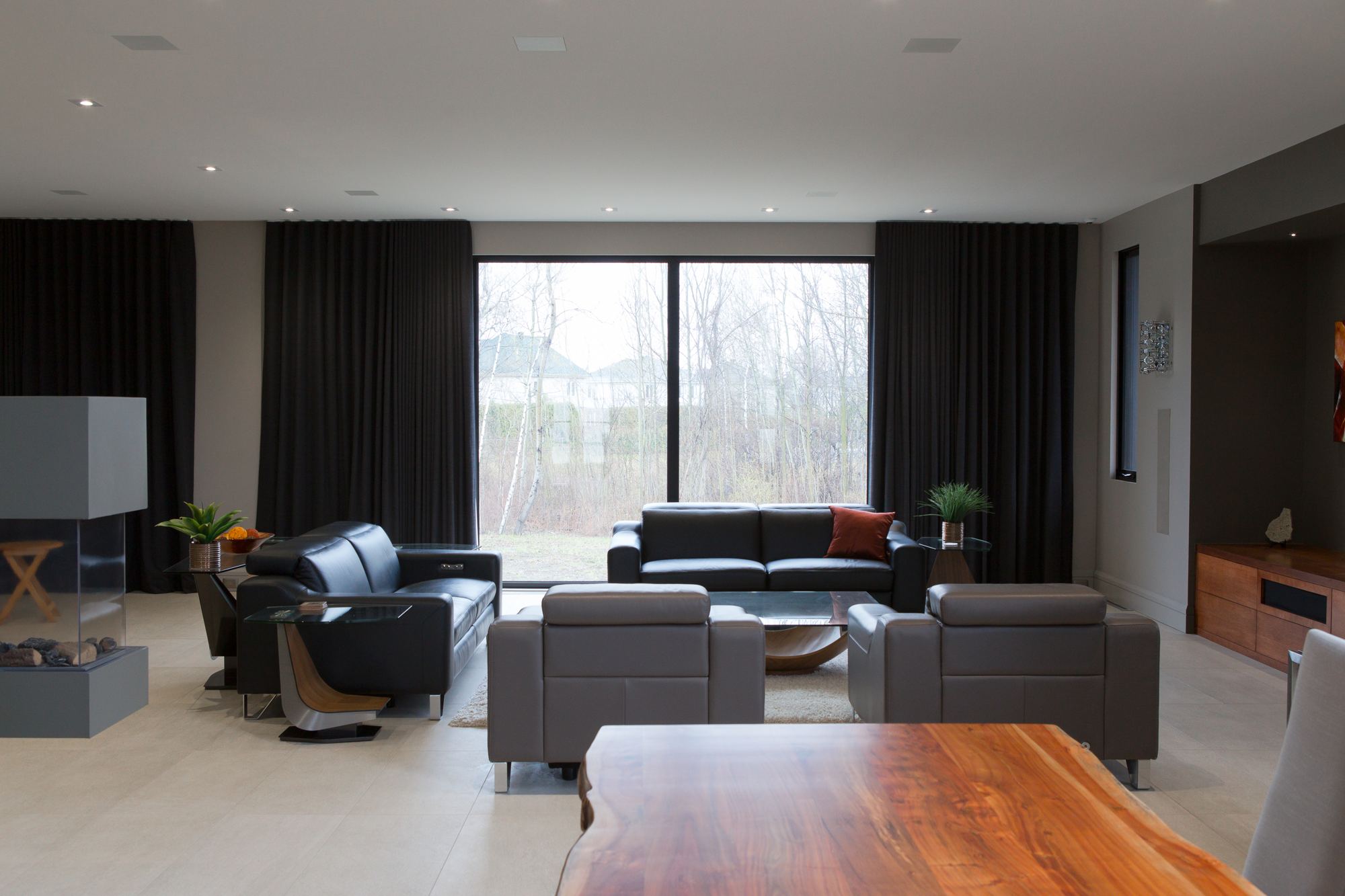
We often forget that the most beautiful light in the house comes through the windows. But it can also glare, overheat a room or reflect on the TV screen. Shades are how you temper it.
A solar shade filters the sun while keeping the view. A blackout shade closes the room completely for sleep or movies. Drapery adds softness and improves acoustics. With motorized shades, all of this can happen on its own, following the sun, the time and your privacy, in silence.
5. Scenes for every moment
Once you have several light sources, dimming and shades, one challenge remains: not spending the evening fiddling with six switches. That's where scenes come in. A scene is a complete mood you recall with a single button.
- Entertain: a welcoming entry, a warm living room, art highlighted, soft music.
- Dinner: light focused on the table, the rest of the room stepped back, shades closed.
- Evening: low, warm lamps, almost nothing from the ceiling.
- All off: when you leave or go to bed, one touch for the whole house.
A clean keypad, such as Lutron Palladiom or Alisse, replaces the row of switches. Each button has a simple name, and you can also launch scenes from your phone or from one app for the whole home.
6. Avoid glare
The opposite is light that glares: a bare bulb in your line of sight, a spotlight that's too strong over the sofa, a reflection on a glass table. You feel it before you see it: you squint, you look away, you don't want to stay.
A few simple habits: aim light at surfaces (a wall, a table, a painting) rather than at people, choose fixtures that hide the source, avoid placing a spotlight right above a seat, and always plan to be able to lower the intensity. Soft light bouncing off a wall creates more atmosphere than strong light falling from above.
In short
Lighting your home well isn't about adding more light; it's about the right light in the right place at the right time. Several sources instead of one ceiling fixture, warm and low light in the evening, the ability to dim, daylight tempered by shades, and scenes that make it all simple.
Smart lighting doesn't replace these principles; it lets you live them every day without thinking about it. Whether you're building, renovating or simply want to enjoy your home more, we'd be happy to talk. See our projects or get in touch.
Frequently asked questions
Do I need to redo all my lighting to improve the atmosphere?
No. Adding a few lamps, choosing warmer bulbs and installing dimmers already changes a lot. A smart lighting system adds scenes and simplicity.
What color of light should I choose for the living room?
Warm light for the evening. With fixtures like Ketra, the color can shift through the day, brighter by day and warmer at night.
Is smart lighting complicated to use?
Not when it's well designed. A keypad with a few well-named buttons, like Entertain, Dinner or Evening, is all you need day to day.
Want more beautiful light at home?
New build or renovation, tell us what you have in mind. Someone from our team will call you back.