
Guide: motorized shades
Choosing motorized shades
Solar or blackout? Ceiling or wall mounted? Here is how we choose motorized shades for each room of the home.
Solar shade or blackout?
A solar shade filters daylight: it cuts glare and heat, protects floors and art, and keeps the view. A blackout shade blocks the light: ideal for bedrooms and home theaters.
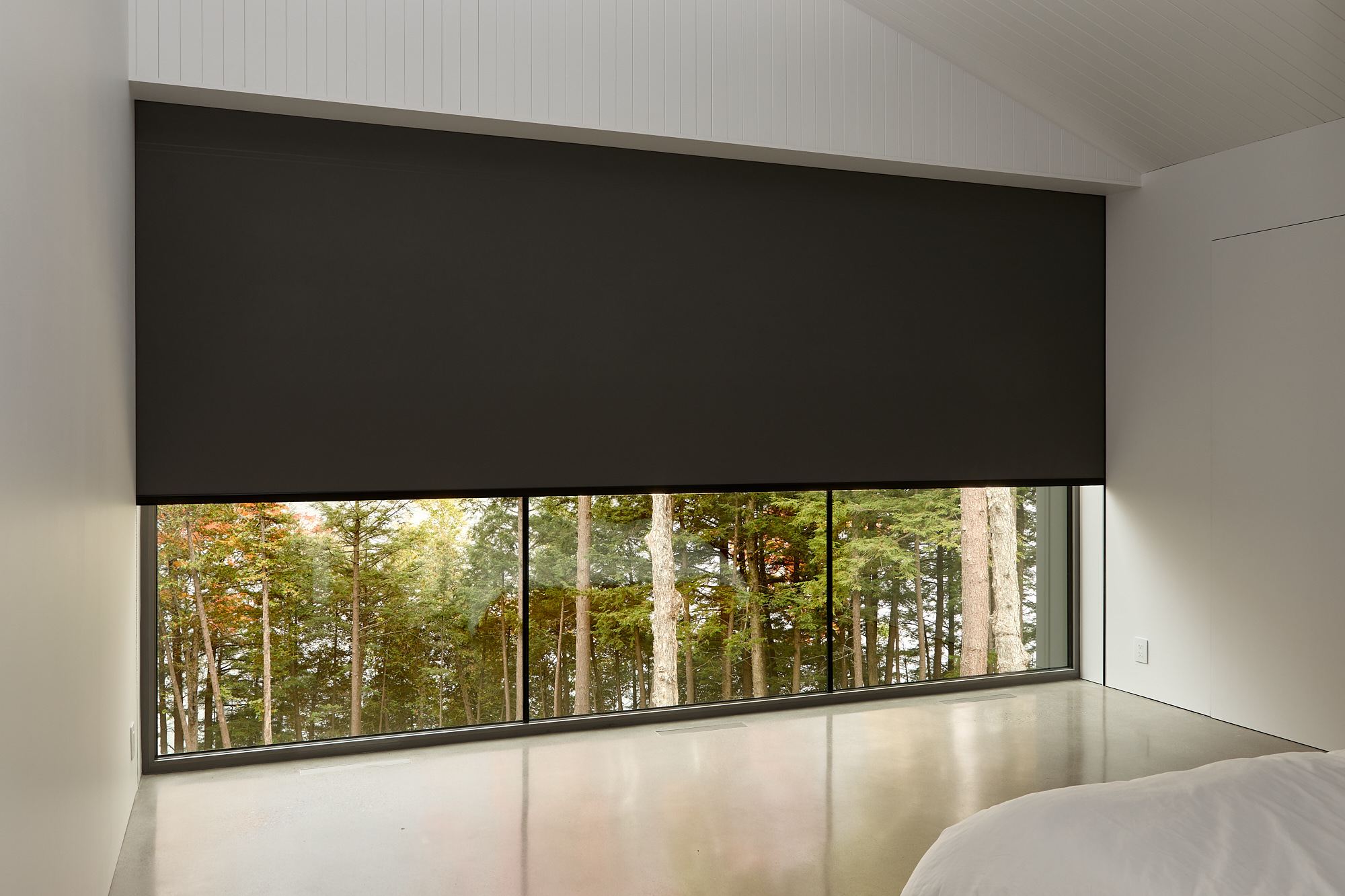
In a bedroom we often combine both: solar by day, blackout at night, in the same pocket.
What to choose room by room
Living room and kitchen
Solar shades that follow the sun, to keep the view without glare on screens.
Bedrooms
A blackout shade for good sleep, often paired with a solar shade or drapery.
Theater and media room
Blackout shades that close with the "Movie" scene, for a truly dark room.
Large windows
Wide shades controlled together, for a uniform facade from outside.
Fabric openness and colour
The smaller the openness of the fabric, the more sun it blocks, but the less you see outside. A dark fabric gives a better view out; a light fabric reflects more heat. We bring samples to choose with you and your designer.
What to plan from the drawings
- Recessed ceiling pockets so the shades disappear.
- Power to each window, or battery motors for renovations.
- A keypad by the door, and shades in the same app as the lighting.
See also our Lutron motorized shades page.
Frequently asked questions
Are motorized shades noisy?
Lutron motors are practically silent. You barely hear them, even in a bedroom.
Can shades be motorized in an existing home?
Yes. Battery-powered motors let us add motorized shades without wiring, with several years of battery life.
Can the shades move on their own?
Yes. They can follow the sun, lower at a set time or close when you leave.
Windows to dress? Let’s talk.
New build or renovation, tell us what you have in mind. Someone from our team will call you back.